


04 May 2026
Muse glove
Textile soft robotics that supports natural hand movement
MUSE Glove: textile innovation and robotics to restore hand movement
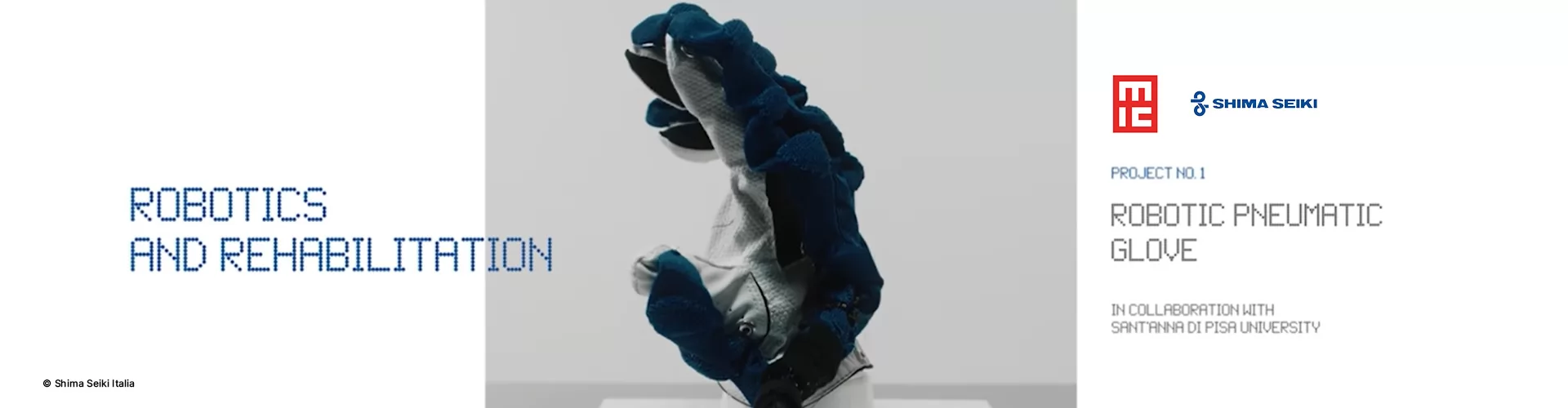
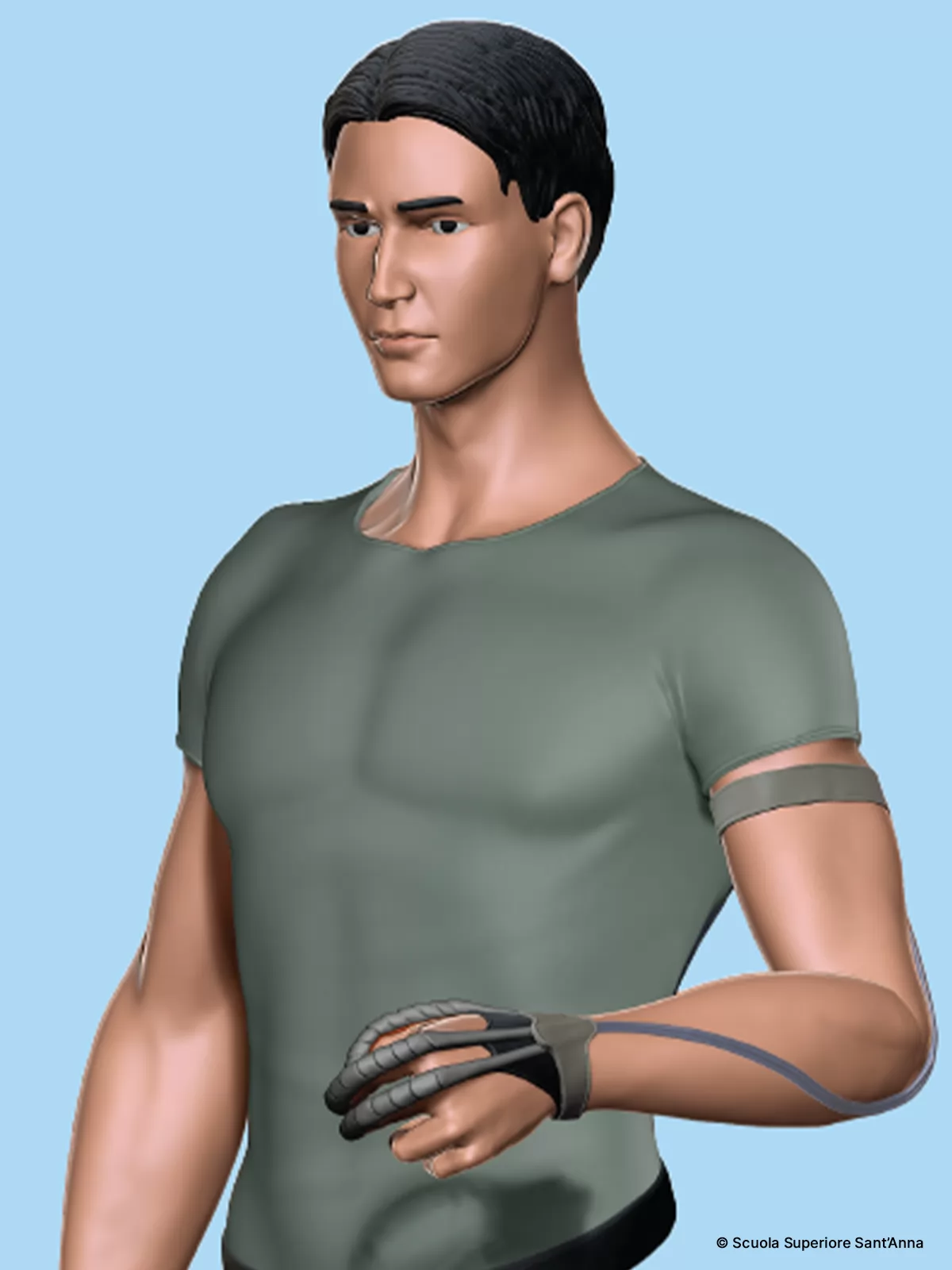
MIC, in collaboration with Shima Seiki Italia and the Sant’Anna School of Advanced Studies in Pisa, is part of the MUSE Glove (MUsculoSkeletal Expansion) project, an assistive soft robotics system designed to support hand movements.
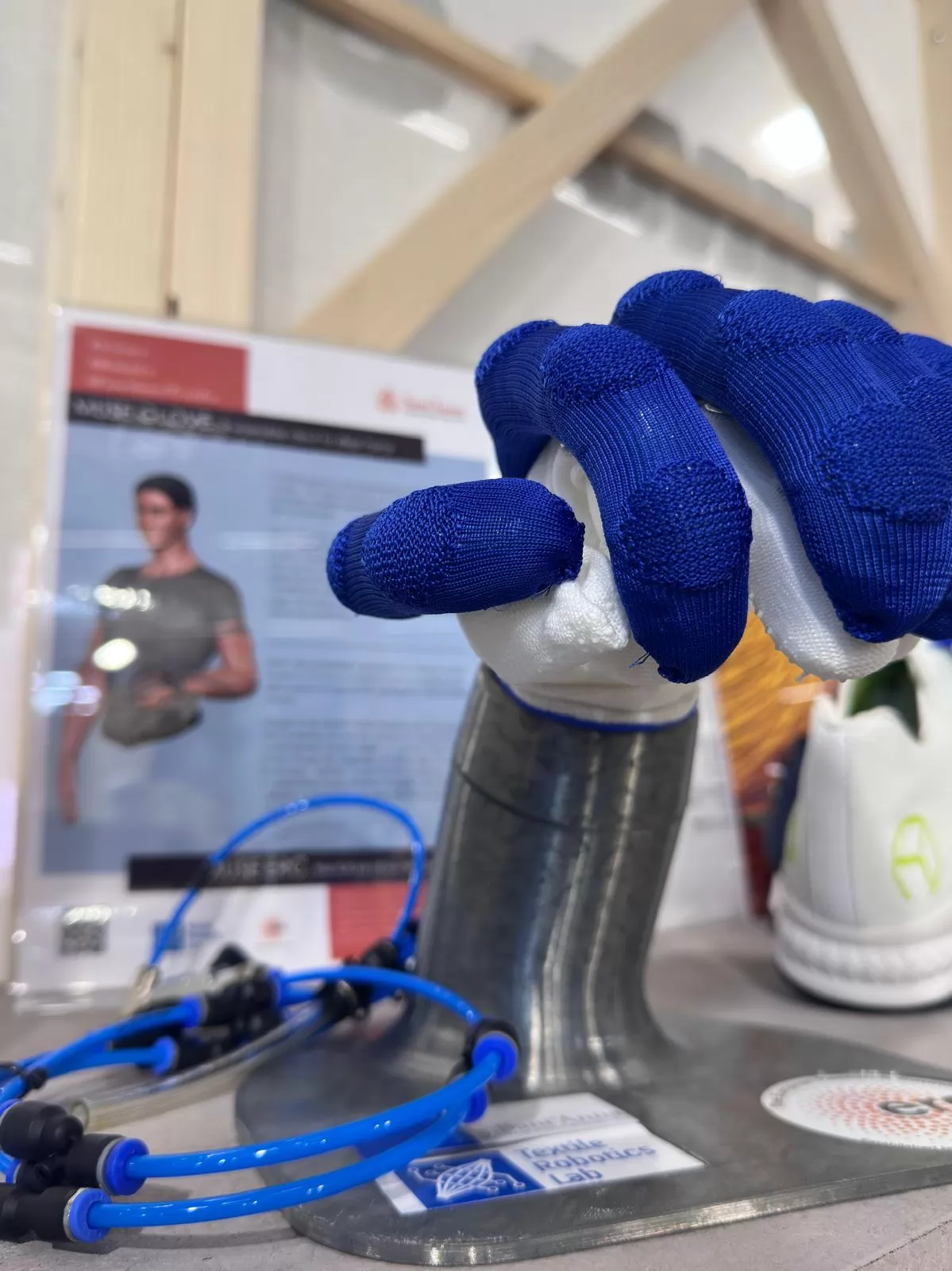
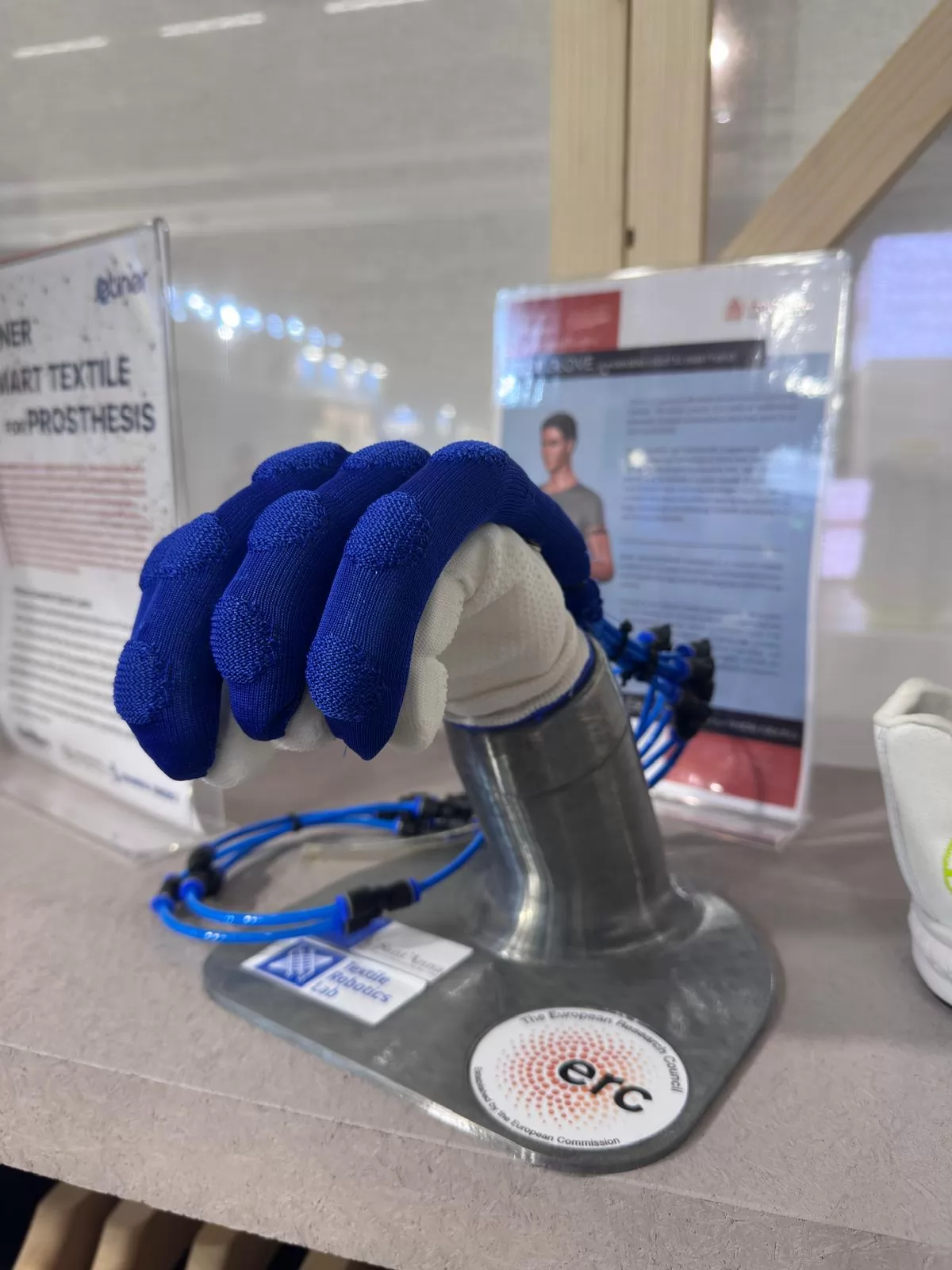
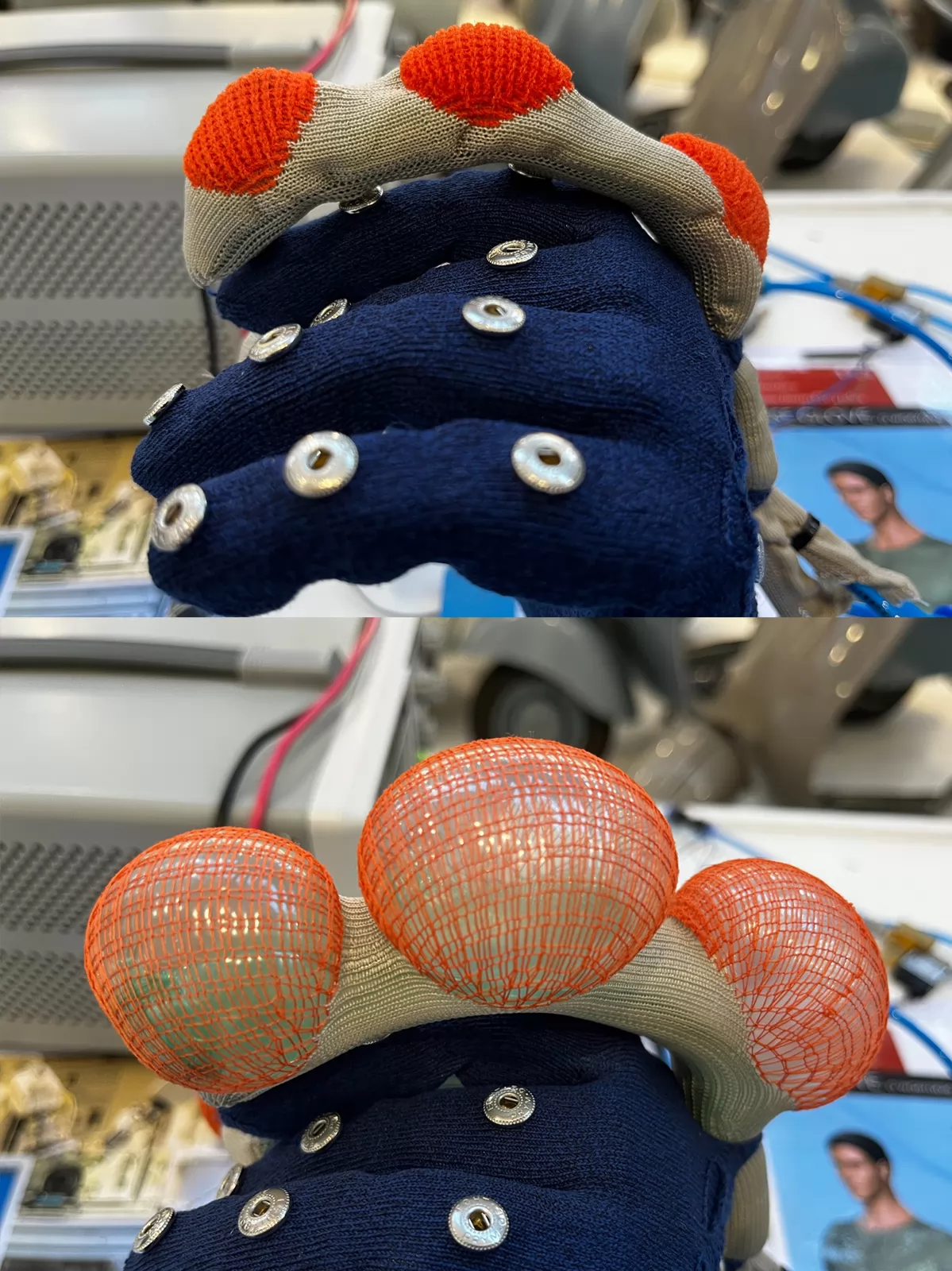
It is an automated glove with textile pneumatic actuators capable of assisting finger opening and closing, replicating the natural movement of the hand.
When and why was MUSE created? The project is part of an advanced research program funded by the European Research Council through the ERC Starting Grant 2023. The project is led by researcher Leonardo Cappello and aims to provide new solutions for rehabilitation and support for people with sensorimotor disabilities, for example following a stroke or trauma.
How MUSE Glove works: the technology behind the robotic glove
MUSE (MUsculoSkeletal Expansion) is designed as a wearable textile soft robotics system, based on pneumatic actuators integrated directly into the structure of the glove using Wholegarment technology enabled by Shima Seiki machines.
Each actuator is produced as a single piece, without cutting or sewing, reducing production variability and opening new perspectives for industrial scalability.
When pressurized, the actuators generate a controlled biomimetic force that:
- assists finger opening and closing;
- supports the recovery of motor function;
- replicates natural hand movements;
- enables new applications in rehabilitative and assistive robotics.
The mechanical programming of the actuators, made possible by Shima Seiki’s advanced knitting technology and the integration of MIC technical yarns, allows the development of smart textile structures capable of transforming into active movement systems.
A distinctive aspect of the project is its advanced exomuscular vision: a human–machine interface aimed at combining advanced actuation, sensory feedback, and future osteointegrated connections to support upper-limb movement in a revolutionary way.
CORD: high-tenacity structural support
The CORD yarn, a high-tenacity polyester, supports movement precision and the reliability of the textile pneumatic system.
In the MUSE Glove, CORD contributes to:
- structural stability of the textile actuators;
- mechanical resistance and durability;
- support in force transmission areas toward fingers and joints.
EXTÉ: engineered elasticity for biomimetic extension
EXTÉ, a spiral elastomeric polyamide yarn, provides elasticity, adaptability, and structural control.
In the MUSE Glove, EXTÉ contributes to:
- finger mobility and extension;
- controlled elastic response;
- textile adaptability to complex movements (joints).



MUSE Glove represents a new frontier in textile robotics. A project that shows how materials, when they become technology, can concretely contribute to improving quality of life.
Would you like to learn more about the applications of MIC yarns in wearable robotics and functional textiles?
Contact us or discover our technical yarns.

Leonardo Cappello is a researcher at the BioRobotics Institute of the Sant’Anna School of Advanced Studies and founder of the Textile Robotics Lab, focused on the development of wearable robots based on textiles for human sensorimotor restoration and enhancement.
The MUSE – MUsculoSkeletal Expansion project has received important international recognition with the awarding of an ERC Starting Grant 2023, funded by the European Research Council as part of European Union resources dedicated to highly innovative projects led by early-career researchers.