


08 June 2026
GELSETA
THE NEW SILK FARMING REVIVAL IN VERONA
MIC is proud to be among the main supporters of GELSETA, a project that combines innovation, sustainability, and local heritage, with the goal of revitalizing Verona’s historic silk supply chain.
GELSETA is a project that merges innovation, tradition, and environmental care to revive Verona’s silk production, creating new connections between agriculture, craftsmanship, industry, and territory.
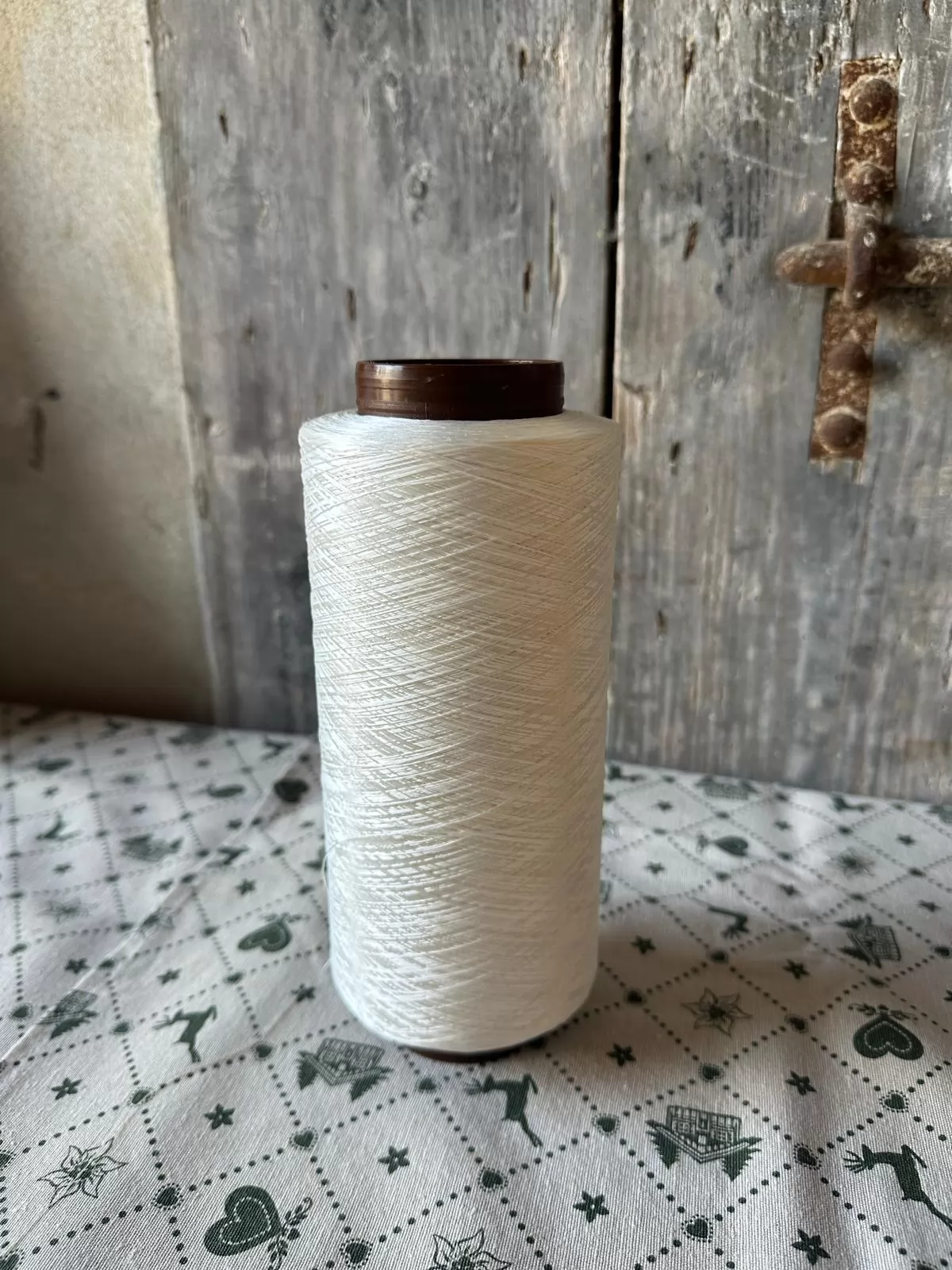
Starting with mulberry farming (gelsicoltura), the project develops a full-cycle process, including silkworm rearing and silk spinning into high-quality yarns, aiming for a local, traceable, and sustainable supply chain.
MIC, a producer of sewing, embroidery, and knitting yarns with deep local roots, participates not only as an industrial partner but also as a promoter of a circular, low-impact production model. Our expertise will support the final phase: transforming cocoons into silk thread, in close collaboration with agricultural and scientific partners.


THE THREE STAGES OF GELSETA

MULBERRY FARMING
The creation of a widespread mulberry grove reconnects communities with the historic landscape, promotes biodiversity, and opens new opportunities for innovative and sustainable agriculture, contributing to CO₂ reduction.

SILKWORM REARING
Through participatory and low-impact practices, the project introduces modern, responsible sericulture adapted to diverse agricultural contexts while respecting the environment.

SILK SPINNING
Locally produced cocoons will be transformed into high-quality yarns, enhancing artisanal know-how, local resources, and supply-chain collaboration.

VERONESE SILK:
A VALUE FOR THE TERRITORY
GELSETA is an anthropological, economic, and historical project, engaging universities, schools, businesses, and local communities in a living, generative network.
The revival of Veronese silk activates a traceable local supply chain and promotes sustainable, circular production models.
- Mulberry cultivation boosts biodiversity and helps reduce CO₂.
- The fiber is processed without harmful chemicals, minimizing environmental impact.
- Silk’s recyclability makes it ideal for supporting ecological transition goals.
- Thanks to its unique properties, the silk produced is used in high-value applications: from fashion and design to biomedical and cosmetic sectors.
GELSETA’S goals go beyond silk production:
- Promote biodiversity and landscape regeneration.
- Advance low-impact, traceable agricultural and industrial models.
- Create a living network linking science, tradition, and innovation.
- Offer new job and training opportunities, especially for young people.

MULBERRY CULTIVATION AND SERICULTURE TODAY:
Experiences and Practices Compared
20 June 2026
Villafranca di Verona, Italy
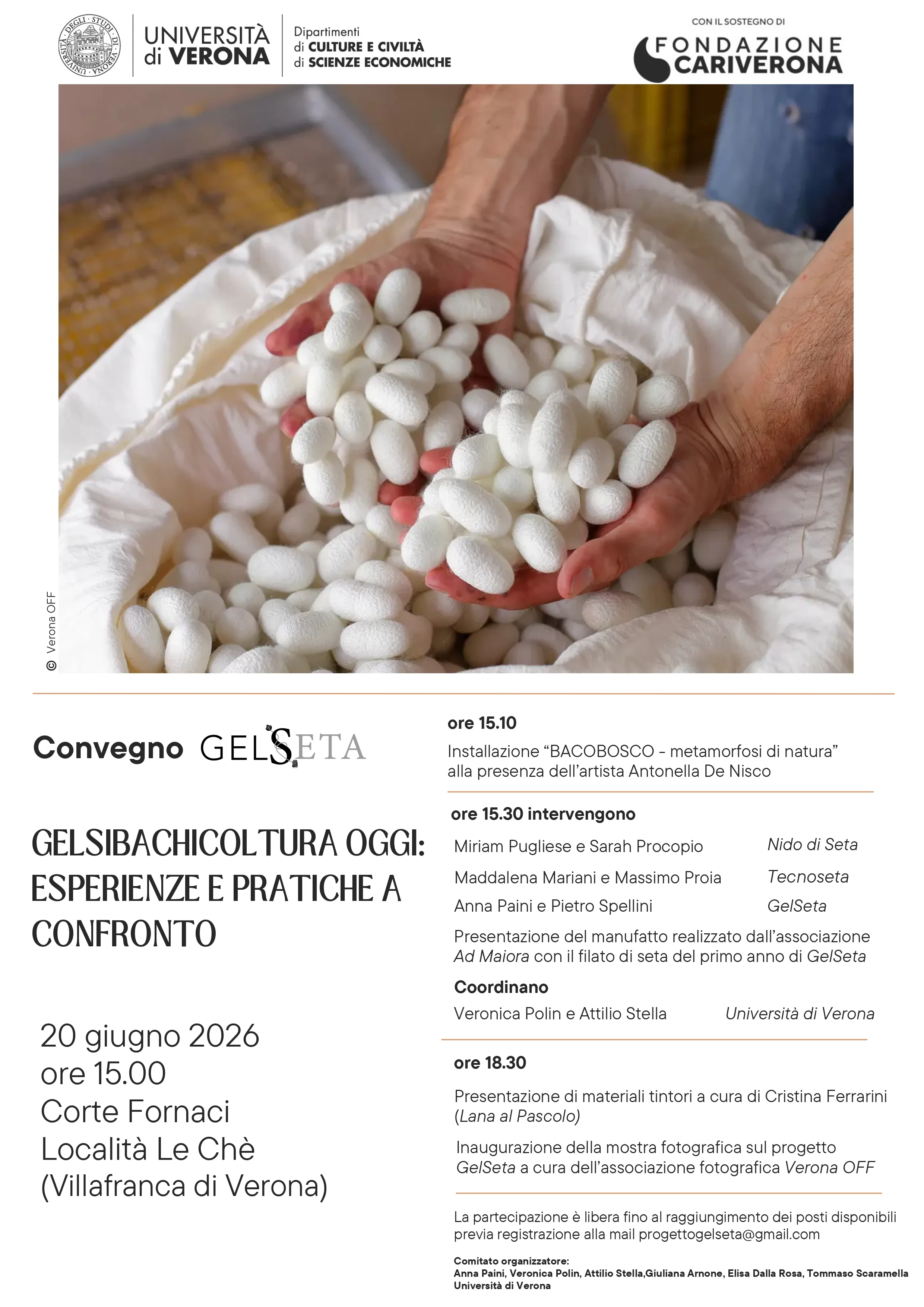
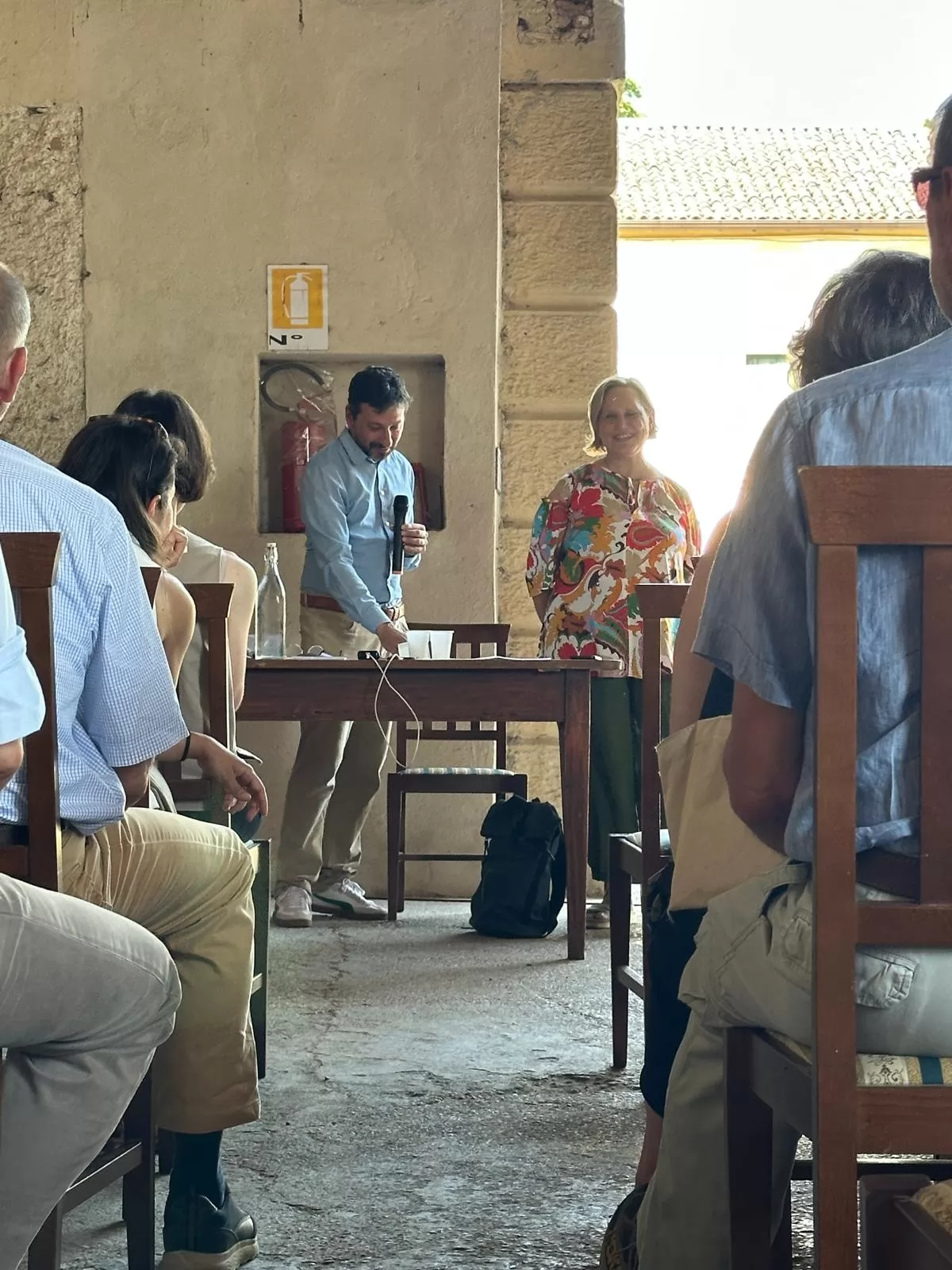
One year after the launch of GELSETA, a project in which MIC Spa is a partner, the event "Mulberry Cultivation and Sericulture Today: Experiences and Best Practices Compared" brought together stakeholders to share progress on the initiative and discuss the future of the silk value chain in the Verona area.
The event focused on the exchange of diverse yet complementary experiences, all united by the common goal of restoring value to mulberry cultivation and sericulture while building a strong, modern, and locally rooted silk supply chain.
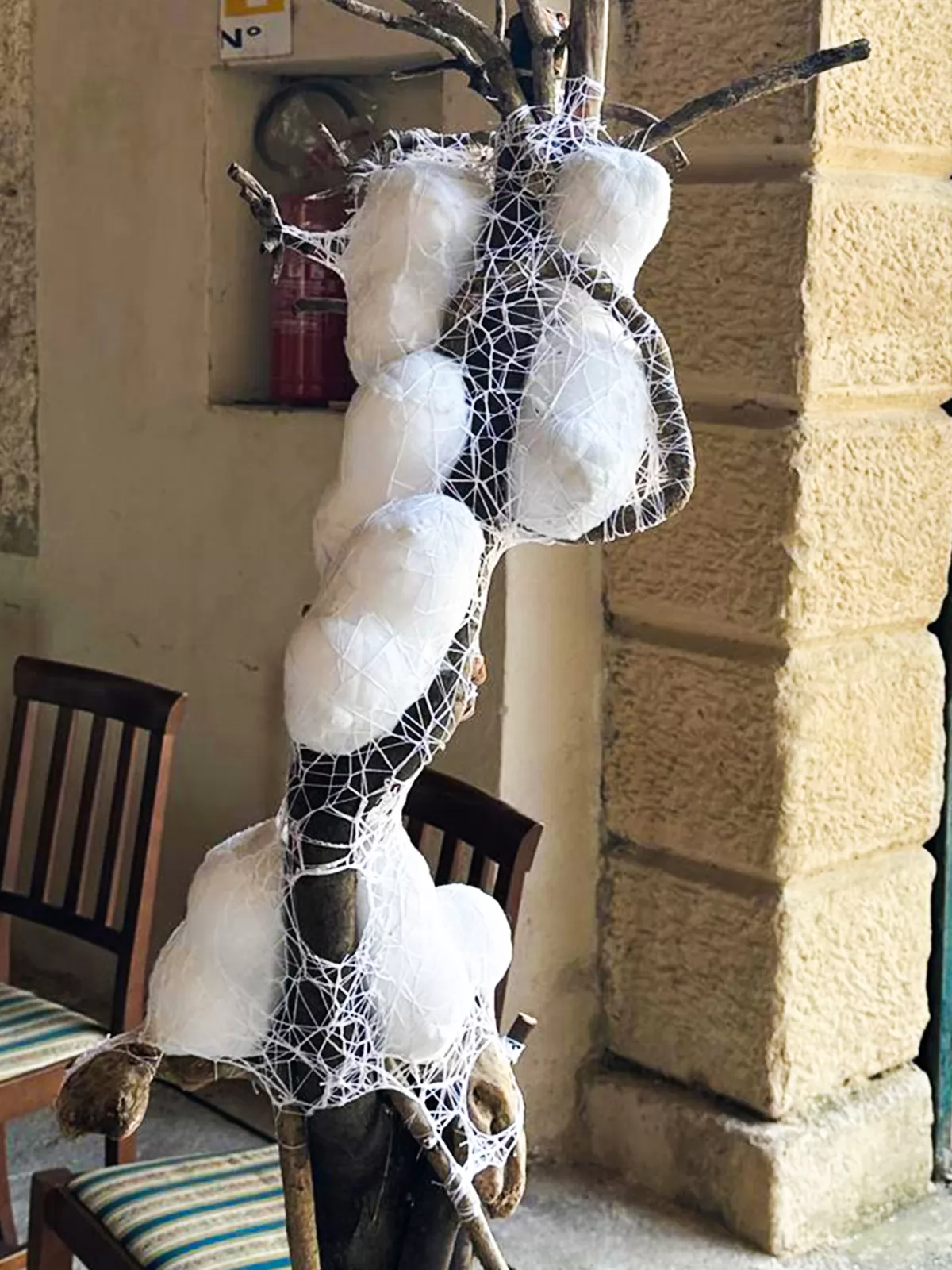
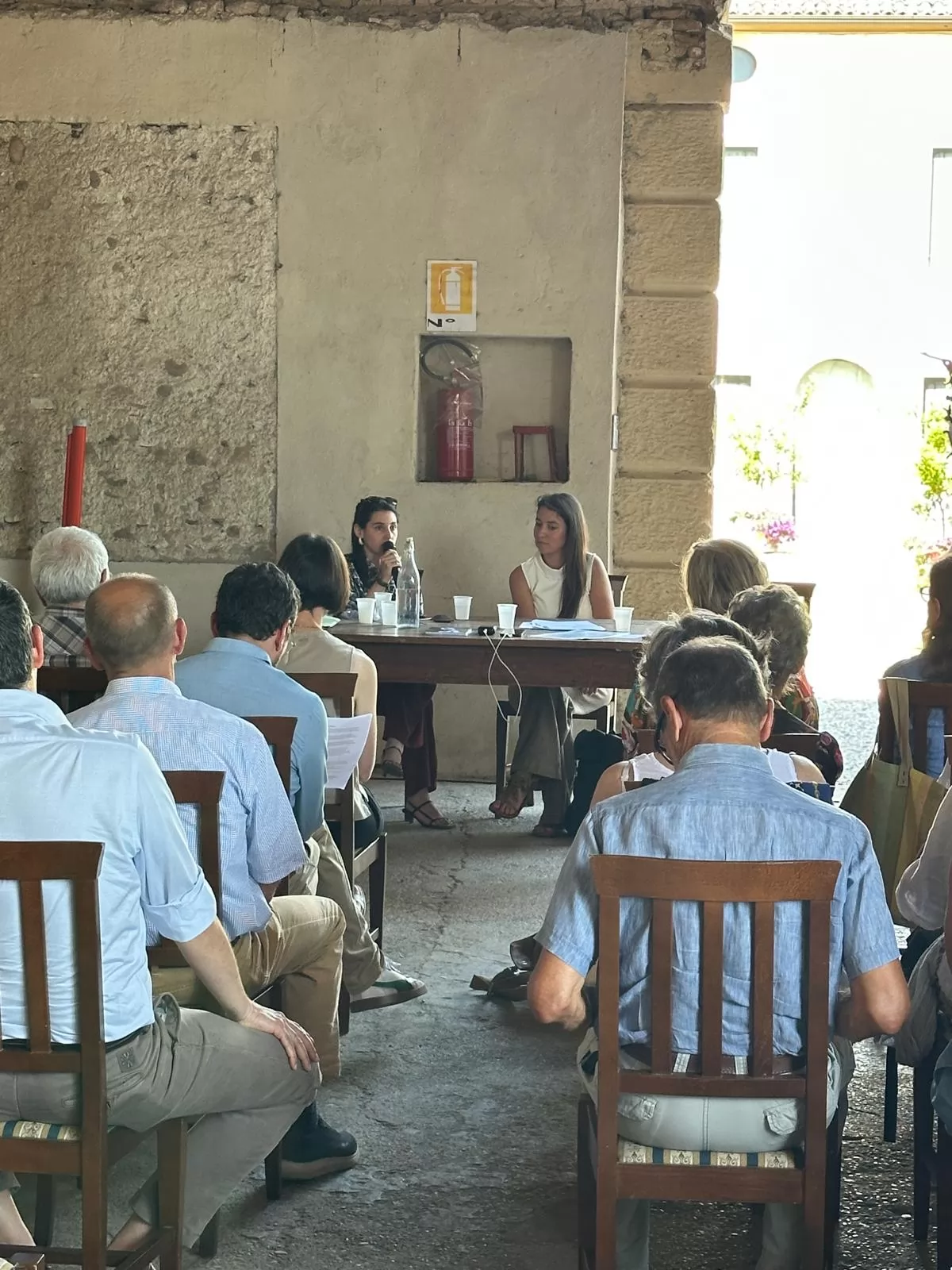
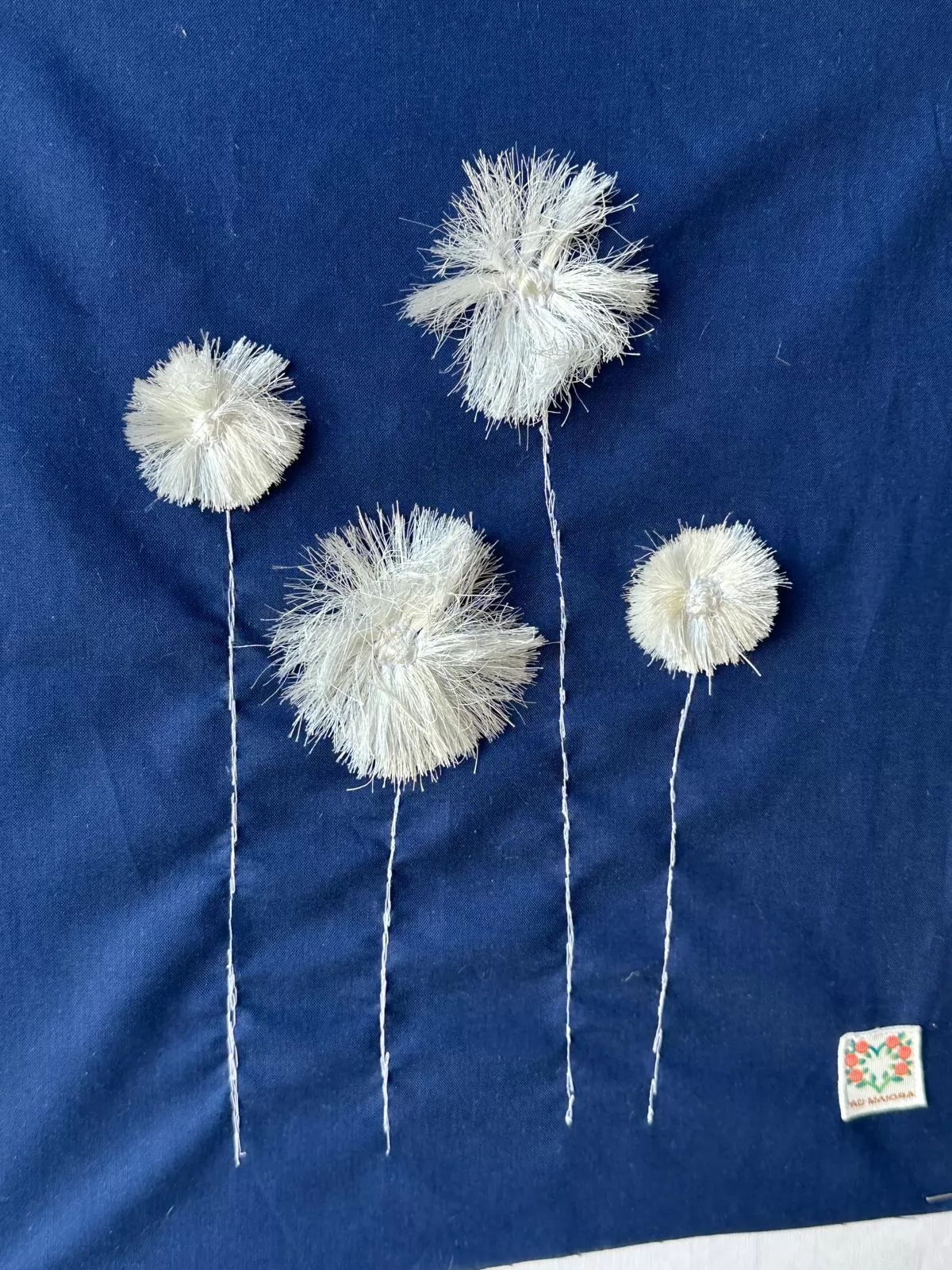
The programme also featured the presentation of Bacobosco, an artwork by Antonella De Nisco, while Miriam Pugliese and Sarah Procopio from Nido di Seta shared the experience of an organization that has been working for more than ten years to revive Italy's silk tradition. This was followed by Maddalena Mariani and Massimo Proia from Tecnoseta, who explored the role of technological innovation in the silk industry, highlighting how new solutions are becoming increasingly essential in a sector often perceived as purely artisanal.
The meeting provided a valuable opportunity for dialogue and knowledge sharing, reaffirming the importance of bringing together expertise, local communities, and different perspectives to support the evolution of Italian silk production and strengthen the future of the entire supply chain.

The Project is supported by


Project partners include


